


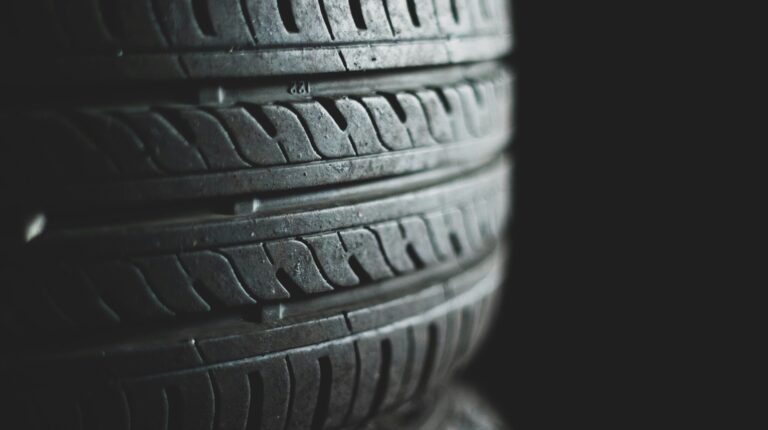
Around the world, more than one billion tires reach the end of their usable life each year. These materials represent a valuable resource for the circular economy, but collection, recovery and recycling remain fragmented, with outcomes varying significantly across regions.
The Tire Industry Project’s (TIP) End-of-Life Tire (ELT) Toolkit 2.0 is a practical guide aimed at improving sustainability and circularity in tire management worldwide. It provides strategies for developing resilient, transparent and effective ELT systems amid varying regulatory and market conditions.
The Toolkit consolidates the latest knowledge, case studies and expert insights on the evolving challenges and opportunities across the ELT value chain. It is intended for policymakers, industry associations and tire manufacturers, while also offering guidance to recyclers, recovery operators, retailers, researchers and civil society organizations.
Building on the first edition from 2021, the new Toolkit includes tools for assessing current systems, identifying gaps and implementing improvements. Key features include step-by-step frameworks to evaluate ELT management effectiveness across key stages; case studies from nine countries, illustrating regulatory approaches and system maturity levels; and recommendations for stakeholders, covering the full ELT value chain, from collection and sorting to processing and management.
The Toolkit also aligns with UN Sustainable Development Goals, supporting improved resource efficiency (SDG 8.4), sustainable natural resource management (SDG 12.2) and reduced waste generation (SDG 12.5).
“Effective ELT management is both an environmental imperative and a source of long-term value creation,” said Tania Paratian, director of action and engagement at TIP. “We developed the ELT Toolkit 2.0 to offer stakeholders – no matter where they are in the world or in their ELT management journey – a strong practical foundation for building their sustainability efforts. The initiative supports our commitment to advancing more sustainable ELT management worldwide, guided by the Sustainable Development Goals.”
In related news, Solvay launches bio-circular silica facility in Livorno to drive sustainable tire production and circular innovation