

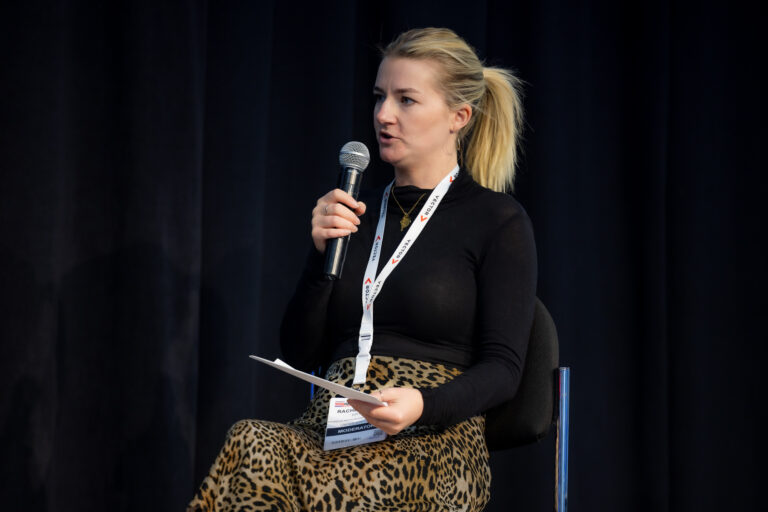
In just under two weeks’ time, Automotive Testing Expo Europe kicks off, and there is a fantastic program of high-level content on the agenda, including fireside chats, panel discussions and presentations. With years of experience reporting on the evolution of vehicle evaluation, ATTI editor Rachel Evans discusses her highlights of the program and shares her observations on what’s next when it comes to the development of sustainable, cost-effective and more efficient testing
The ATTI Forum has been curated exclusively for professionals across vehicle development, testing and quality assurance, dedicated solely to discussing next-generation analysis practices and technologies, including hardware and software, that will shape tomorrow’s development landscape.
What themes or trends are you seeing emerge most strongly right now?
Over the past few years, several themes have become major auto news for various reasons. One of those is Euro 7 because it introduces the testing of non-exhaust emissions for the first time (brake and tire emissions), as well as stricter limits on nitrogen oxides and an extended compliance window of 200,000km or 10 years, compared with Euro 6’s 100,000km or five years. As such, we have organized a panel discussion – Euro 7 compliance requirements: Challenges and industry preparedness – with specialists from across the sector to help our audience share strategies and insights.
At one point, it seemed that revelation after revelation was emerging about the vulnerability of vehicles to hacking, alongside data privacy issues linked to the application of AI in vehicles (see our feature on the topic, No free rides, in the June 2025 issue of ATTI). We’ll also be hosting a panel discussion on this and other safety topics – Safe by design, secure by default: Navigating SOTIF, functional safety and cybersecurity in modern automotive testing.
Another key thread is data. Big data has been at the forefront of discussions throughout my 14 years working on ATTI, but there now seems to be a realization that action is needed if the sector is to fully exploit the potential of all the data it has been capturing. Having it is one thing, using it is another – and people seem to be springing into action. It’s a theme throughout the ATTI Awards and Forum, as well as the show itself, and I’m looking forward to learning how developers are tackling the challenge. I am personally looking forward to the presentation from Bugatti Rimac’s vehicle dynamics controls manager, Alessandro Pino, and Marple CEO and co-founder, Matthias Baert – A modern lakehouse architecture for automotive testing. The audience will learn how the two companies have worked together to create a next-gen data architecture, having stored, queried and analyzed 300TB+ of powertrain data from the Tourbillon.
What topic do you expect attendees to be discussing long after the ATTI Forum ends?
Data and digital twins. I was at another industry event recently and asked various people how they define a digital twin, and whether they would agree with the statement that many digital twins are “static 3D models with a few datapoints layered on top.” These words were written by Dr Ahmed Abada, a senior product manager at BMW Group, in a column he wrote for the March 2026 edition of ATTI. At first, the answer I received was simply, “It depends.” But once I got people talking, we ended up discussing and debating different viewpoints for quite some time.
I’m really looking forward to chatting with Dr Abada and getting his thoughts on digital twin applications, data security and other industry issues, including how regulations affecting exports to the USA are impacting European OEMs. For example, regulations around components, software and hardware, and where automated testing can help.
What are you hoping to learn from the conversations happening here?
Every day I am fed content from external sources about the latest testing innovations and groundbreaking vehicle projects. It’s easy to be fooled into thinking everyone has it sorted, that every vehicle tester is doing their job with their eyes closed. Don’t get me wrong, I have no doubt our audience members take everything in their stride. After all, it is the engineer’s job to experiment, learn and develop new solutions. However, I am interested in hearing about the day-to-day challenges engineers are facing in the lab behind closed doors.
For example, it’s all well and good to say that test automation is helpful, but where are facilities struggling to integrate automated testing and AI into digital twin processes so that these technologies are not standalone tools, but part of a broader workflow? And, crucially, how can our exhibitors help visitors meet those niggles head-on?
Hear from Rachel on June 23 at the ATTI Forum, where she will be joined by engineering experts from AVL, Ford, Nissan, Volkswagen Commercial Vehicles and Daimler Truck, among others
Visit the website to register for your free pass to Automotive Testing Expo Europe. The event is part of Vehicle Tech Week and will take place at Messe Stuttgart, Germany, June 22-24, 2026